
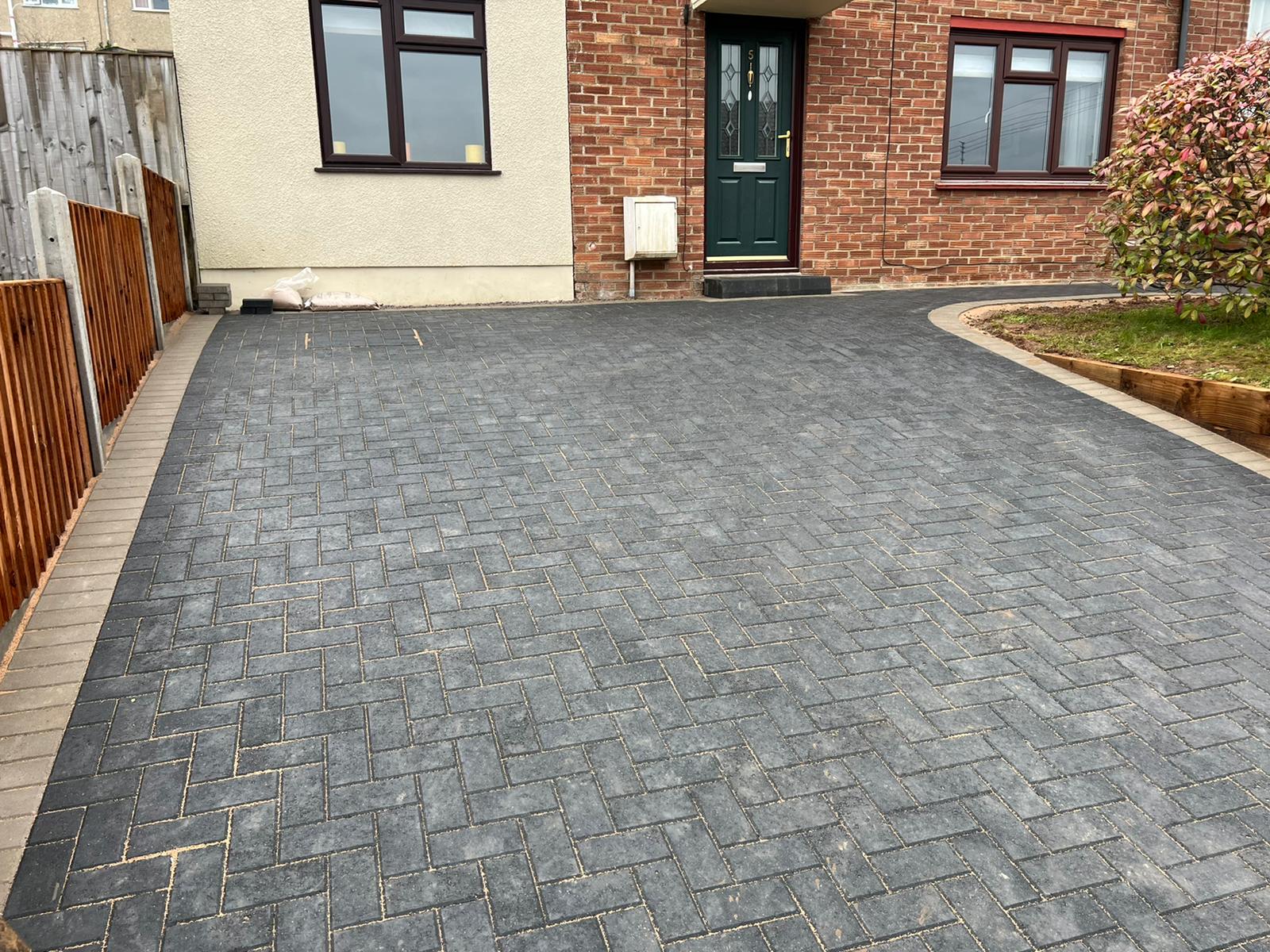
After three decades installing driveways across Oxford, I’ve guided hundreds of homeowners through the dropped kerb application process. Getting this right from the start saves time, money, and considerable frustration later.
Oxford City Council requires a dropped kerb licence before any vehicle can legally cross the pavement to access your property. Driving over an unmodified kerb, even to your own driveway, can result in prosecution and fines.
Essential Requirements for Planning Applications
When submitting planning applications for driveways, several key requirements must be met. Documentation should include detailed site plans, drainage proposals, and material specifications. Expert contractors often handle these technical submissions alongside structural assessments. Applications typically require proof of adequate surface water management and compliance with local building standards.
Your application must demonstrate adequate visibility splays at the junction. Oxford’s planning officers pay particular attention to this on busy roads like the Cowley Road or Banbury Road corridors.
The proposed access width typically ranges from 2.4 to 4.8 metres depending on whether it serves a single or double garage. Wider access points require stronger justification and may face more scrutiny.
- Minimum 2.4m width for single vehicle access
- 3.0 to 4.8m for double vehicle access
- Maximum 50% of your frontage boundary
- At least 1m retained kerb between neighbouring dropped kerbs
The Application Timeline
Oxford City Council typically processes applications within eight to twelve weeks. However, applications near conservation areas or on classified roads often take longer due to additional consultations required.
I always advise clients to submit applications well before they plan to start driveway construction. The council must complete the kerb work before you can legally use your new driveway.
Common Application Pitfalls
Many applications get delayed because homeowners underestimate the technical drawings required. The council needs precise measurements showing sight lines, gradients, and drainage connections.
Applications frequently stall when statutory undertakers raise objections about underground services. Gas, water, or telecoms apparatus beneath the proposed crossing point can significantly complicate the process.
Working with experienced contractors familiar with Oxford’s specific requirements typically smooths the application process and reduces the likelihood of costly delays or rejections.