
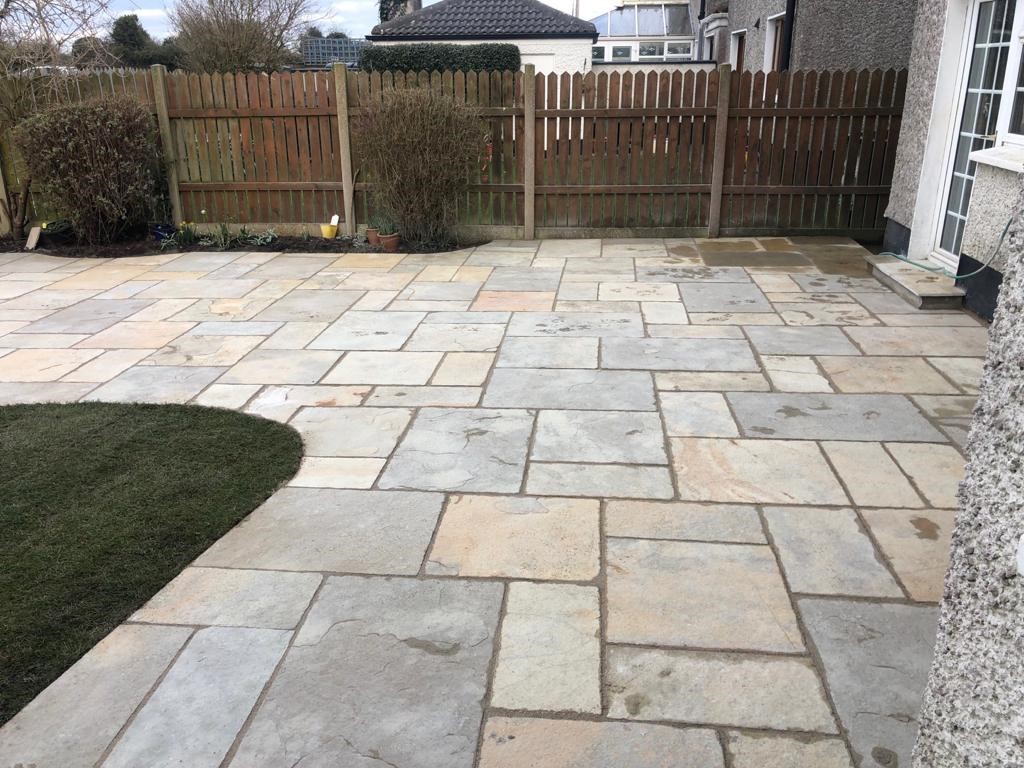
Oxford’s clay soils and increasing rainfall make permeable paving a smart investment. Traditional concrete and tarmac create surface water problems that permeable alternatives solve whilst meeting modern sustainability requirements.
Permeable paving allows water to drain through the surface into the ground below. This reduces flooding risk and helps recharge groundwater naturally. Oxford City Council actively encourages these solutions to manage urban drainage.
Best Permeable Paving Options for Oxford
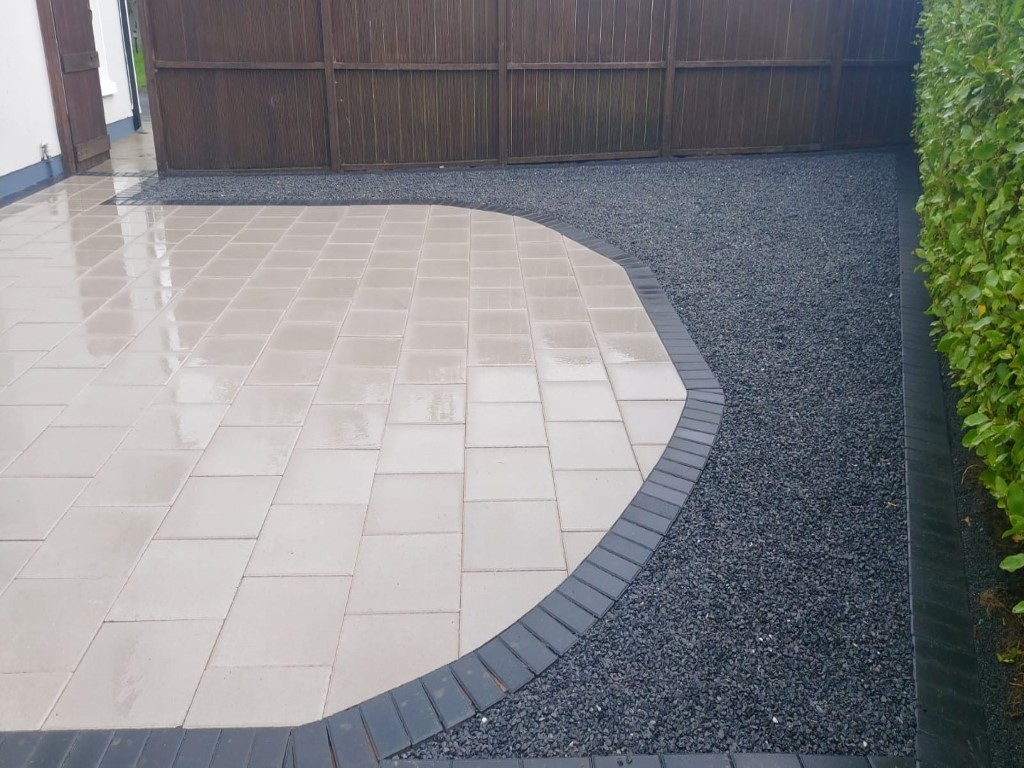
- Permeable concrete block paving with gaps filled using kiln dried sand
- Gravel stabilisation systems using honeycomb grids
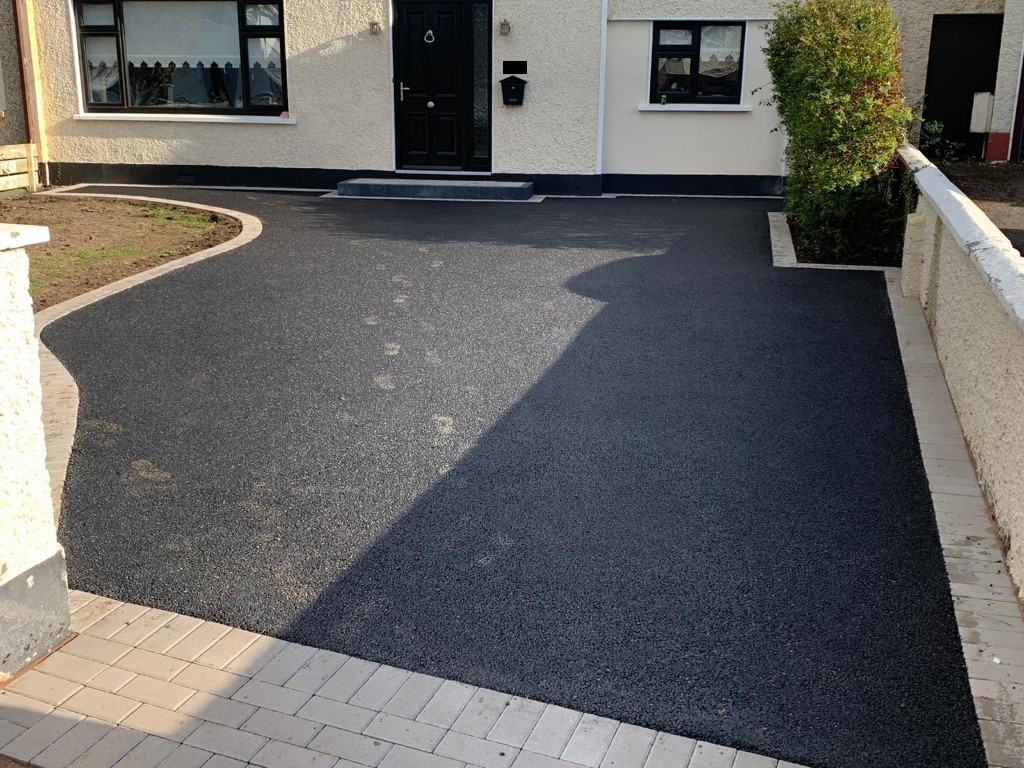
- Porous asphalt designed specifically for domestic driveways
- Natural stone with wide joints allowing drainage
- Grass reinforcement systems for occasional vehicle access
Clay soils common in Oxford require proper sub base preparation. Install at least 150mm of crushed stone beneath any permeable surface to ensure effective drainage.
Planning and Building Regulations
Most permeable paving installations fall under permitted development rights. However, you must ensure surface water drains to your own property, not neighbouring land or public highways.
Building Control approval may be required if connecting to public drainage systems. Check with Oxford City Council before starting work to avoid costly mistakes.
When selecting contractors, choose those with proven expertise in sustainable paving solutions. Quality firms like these Wexford based specialists demonstrate the importance of proper installation techniques and material selection.
Expect to pay 20 to 40 percent more than traditional paving initially. However, reduced maintenance costs and potential insurance benefits from improved drainage make permeable paving cost effective long term.